AI in the Workplace: Myth vs. Reality
Introduction
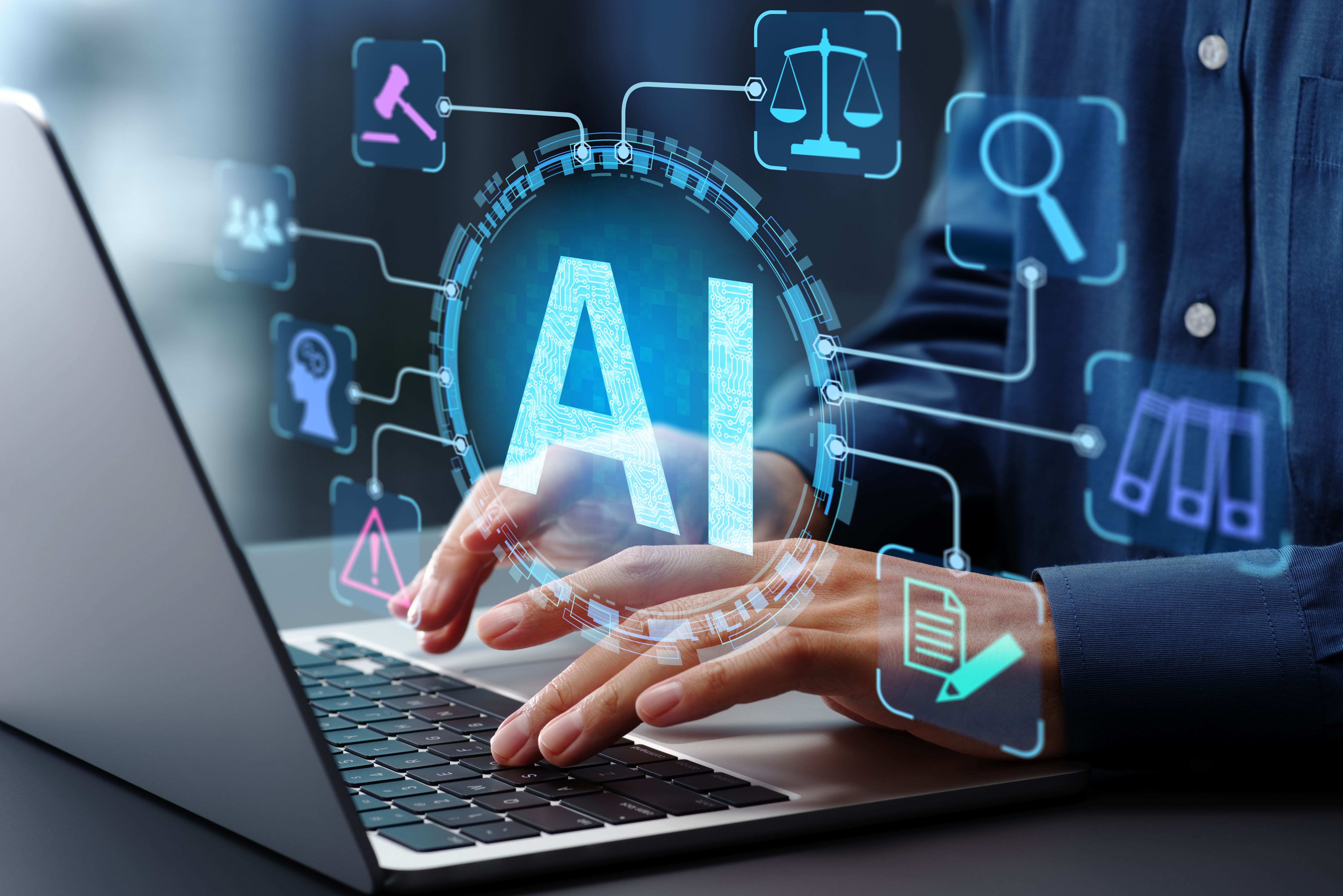
Artificial Intelligence (AI) is transforming the workplace, creating both excitement and anxiety among professionals. While some see AI as a revolutionary force enhancing productivity, others fear it might replace human jobs. This blog post explores some common myths about AI in the workplace and separates fact from fiction.
Myth: AI Will Replace All Jobs
One of the most prevalent myths is that AI will lead to mass unemployment by replacing human jobs. While AI can automate repetitive tasks, it is unlikely to replace all jobs. Instead, AI is expected to create new roles and opportunities, particularly in areas requiring human creativity, empathy, and complex decision-making.
Reality: AI as a Collaborative Tool
AI is best viewed as a tool that complements human abilities rather than replacing them. By automating mundane tasks, AI allows employees to focus on more strategic and creative aspects of their work. This collaboration can lead to increased efficiency and innovation within organizations.

Myth: AI Is Only for Tech Companies
Another misconception is that only tech companies can benefit from AI. In reality, AI applications span across various industries, including healthcare, finance, retail, and manufacturing. Businesses of all sizes can leverage AI to improve operations, enhance customer experiences, and drive growth.
Reality: AI in Diverse Industries
For example, in healthcare, AI assists in diagnosing diseases and personalizing treatment plans. In retail, AI enhances inventory management and customer service. By understanding and implementing AI, companies outside the tech sector can gain a competitive edge.

Myth: AI Is Infallible
Some believe that AI systems are infallible and make perfect decisions. However, AI is not without flaws. The technology relies on data, and biases in data can lead to biased outcomes. Additionally, AI systems require continuous monitoring and updates to ensure accuracy and relevance.
Reality: The Human Element in AI
Human oversight is crucial for AI to function effectively. Experts must regularly audit AI systems to identify and mitigate biases. Moreover, combining human intuition with AI insights can lead to more balanced and ethical decision-making processes.
Conclusion
AI in the workplace is surrounded by myths that often overshadow its true potential. By dispelling these misconceptions, organizations and individuals can better understand how to harness AI's capabilities. As we continue to navigate this technological evolution, embracing AI as a partner in the workplace can lead to a more dynamic and innovative future.