The Future of AI in Business: Trends to Watch
The Rise of Artificial Intelligence in Business
Artificial Intelligence (AI) is no longer a futuristic concept—it's a present-day reality reshaping the business landscape. Companies across various sectors are leveraging AI to streamline operations, enhance customer experiences, and drive innovation. As AI continues to evolve, it's crucial for businesses to stay informed about emerging trends that could impact their strategies and operations.

Automation and Efficiency
One of the most significant impacts of AI in business is the automation of routine tasks. By implementing AI-powered tools, companies can automate processes like data entry, customer support, and inventory management. This not only reduces human error but also frees up employees to focus on more strategic tasks, improving overall efficiency.
Moreover, AI can analyze vast amounts of data at unprecedented speeds, providing businesses with insights that were previously unattainable. This ability to process and interpret data enables companies to make data-driven decisions, enhancing their competitive edge.
Personalized Customer Experiences
AI is revolutionizing the way businesses interact with their customers. Through machine learning algorithms and natural language processing, companies can offer personalized experiences that cater to individual preferences. For example, AI-driven chatbots can provide instant customer support, resolving queries promptly and efficiently.
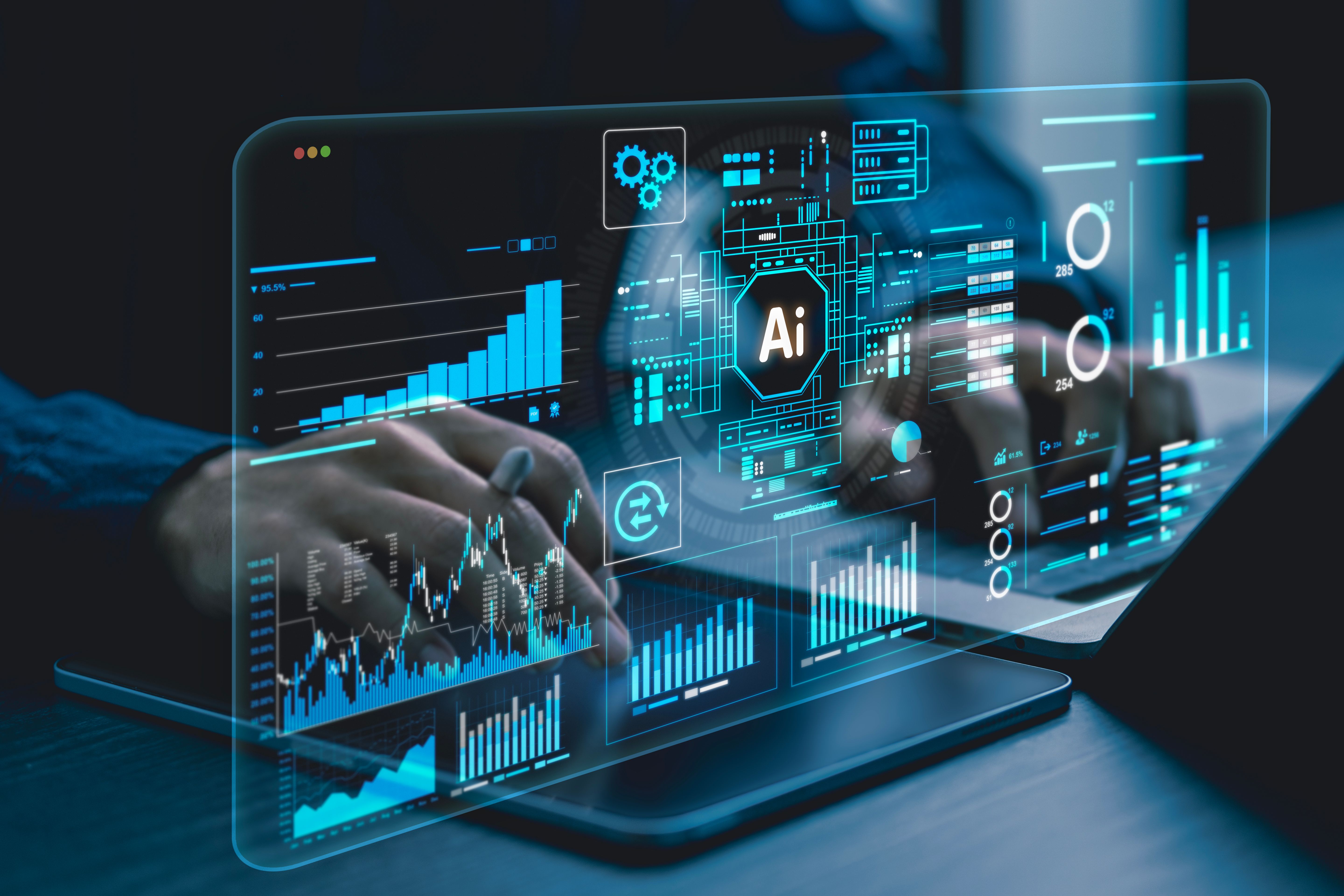
Additionally, AI can analyze customer behavior and preferences, allowing businesses to tailor their marketing strategies and product offerings. This level of personalization can lead to increased customer satisfaction and loyalty, ultimately driving revenue growth.
Predictive Analytics and Decision-Making
Predictive analytics is another area where AI is making significant strides. By analyzing historical data, AI systems can forecast future trends, helping businesses anticipate market changes and consumer demands. These insights enable companies to adjust their strategies proactively, staying ahead of the competition.
In sectors like finance and healthcare, predictive analytics powered by AI is transforming risk assessment, fraud detection, and patient care. The ability to predict outcomes with greater accuracy empowers organizations to make informed decisions that improve operational efficiency and effectiveness.

Ethical Considerations and Challenges
As AI becomes more integrated into business operations, ethical considerations and challenges arise. Issues such as data privacy, algorithmic bias, and job displacement need to be addressed to ensure responsible AI implementation. Businesses must adopt transparent practices and prioritize ethical standards to build trust with consumers and stakeholders.
Furthermore, companies should invest in employee training and development to mitigate the impact of AI on the workforce. By equipping employees with the skills needed to work alongside AI technologies, businesses can foster a collaborative environment that maximizes the potential of both human and artificial intelligence.
Looking Ahead
The future of AI in business is promising, with continuous advancements paving the way for new opportunities and challenges. Companies that embrace AI-driven innovations will be well-positioned to thrive in an increasingly competitive landscape. By staying informed about the latest trends and maintaining a focus on ethical practices, businesses can harness the full potential of AI to achieve sustainable growth and success.